Medical device software compliance starts with carefully documenting what your product will be used for (its ‘intended purpose’ or ‘intended use’ and ‘indications for use’) and the claims associated with it.
As a first step, it is important to document what your product will be used for carefully (its ‘intended purpose’ or ‘intended use’ and ‘indications for use’), and what claims will be associated with the product. Based on that information, it is highly recommended to document a regulatory strategy, assess whether local legislation may apply to the product, and determine how the product is classified under such legislation (‘product qualification and classification’).
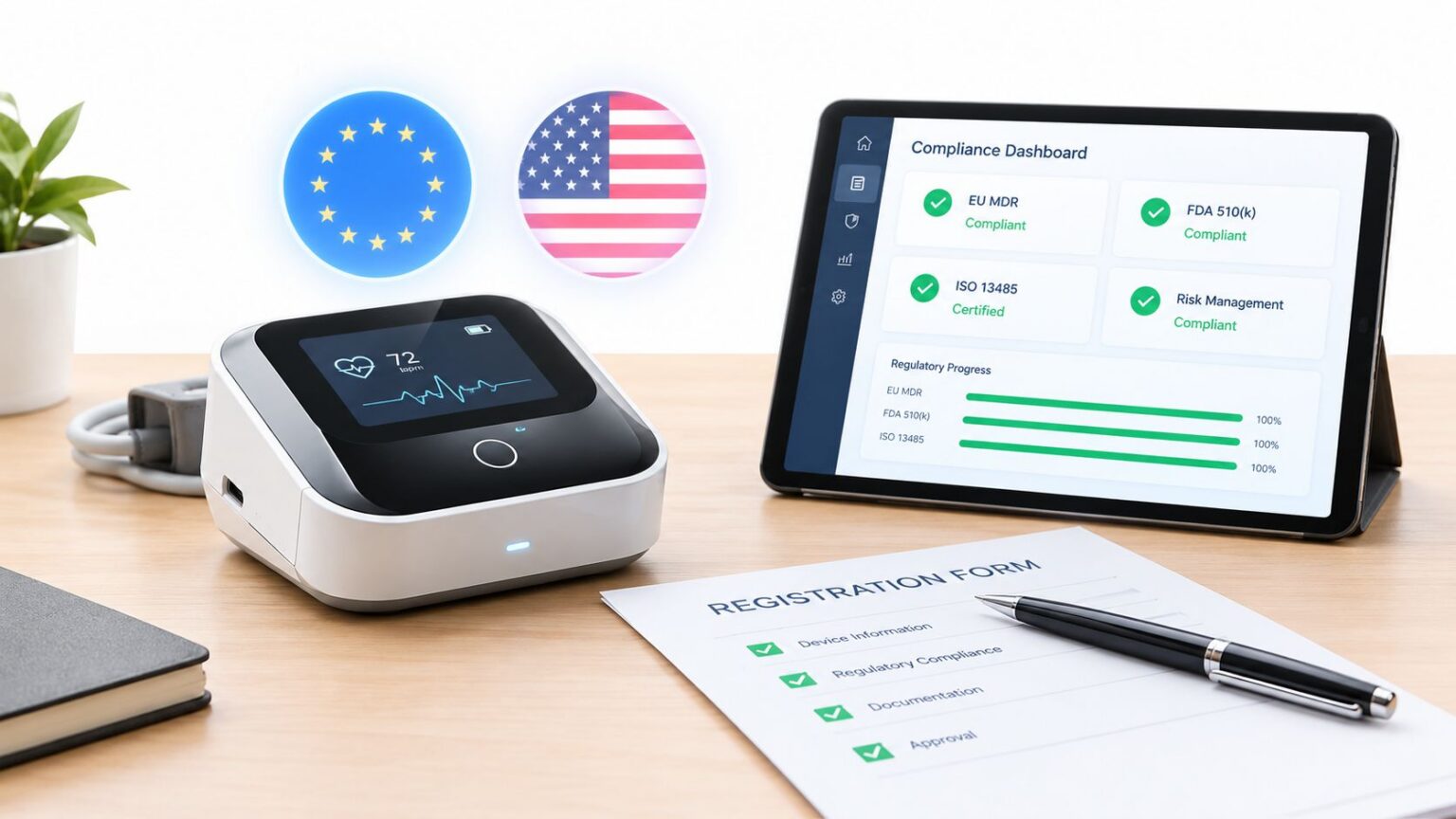
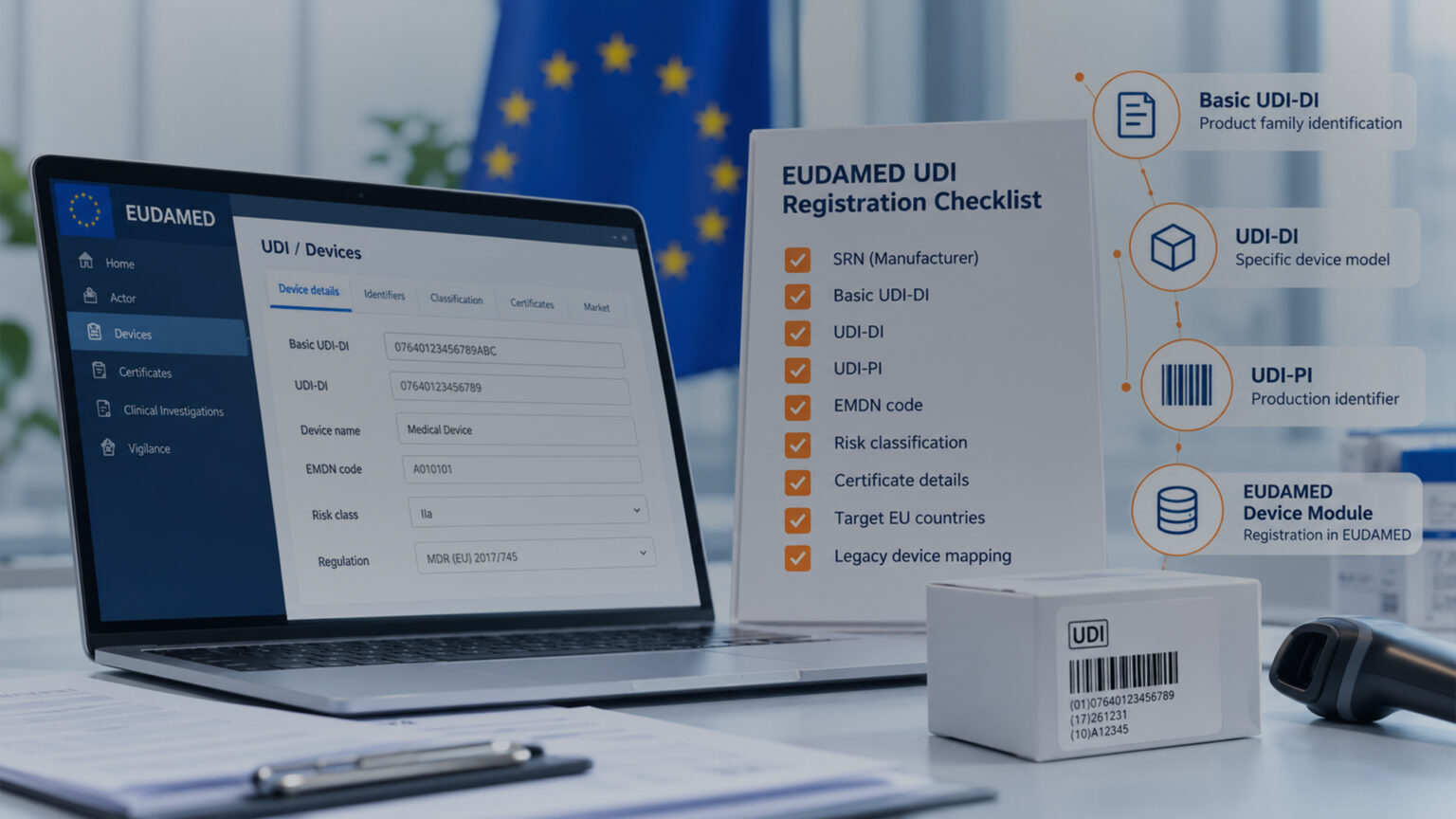
The landscape of digital legislative frameworks is becoming increasingly complex, and often more than one legislative instrument may apply. For example, in the European Union, a product may qualify as a medical device (SaMD, SaIVD, SAIeMD), and or artificial intelligence system (potentially being High-Risk), and be subjected to medical device legislation (MDR 2017/745 or IVDR 2017/746), artificial intelligence legislation (AI Act 2024/1689) and healthcare interoperability legislation (EHDS 2025/327).
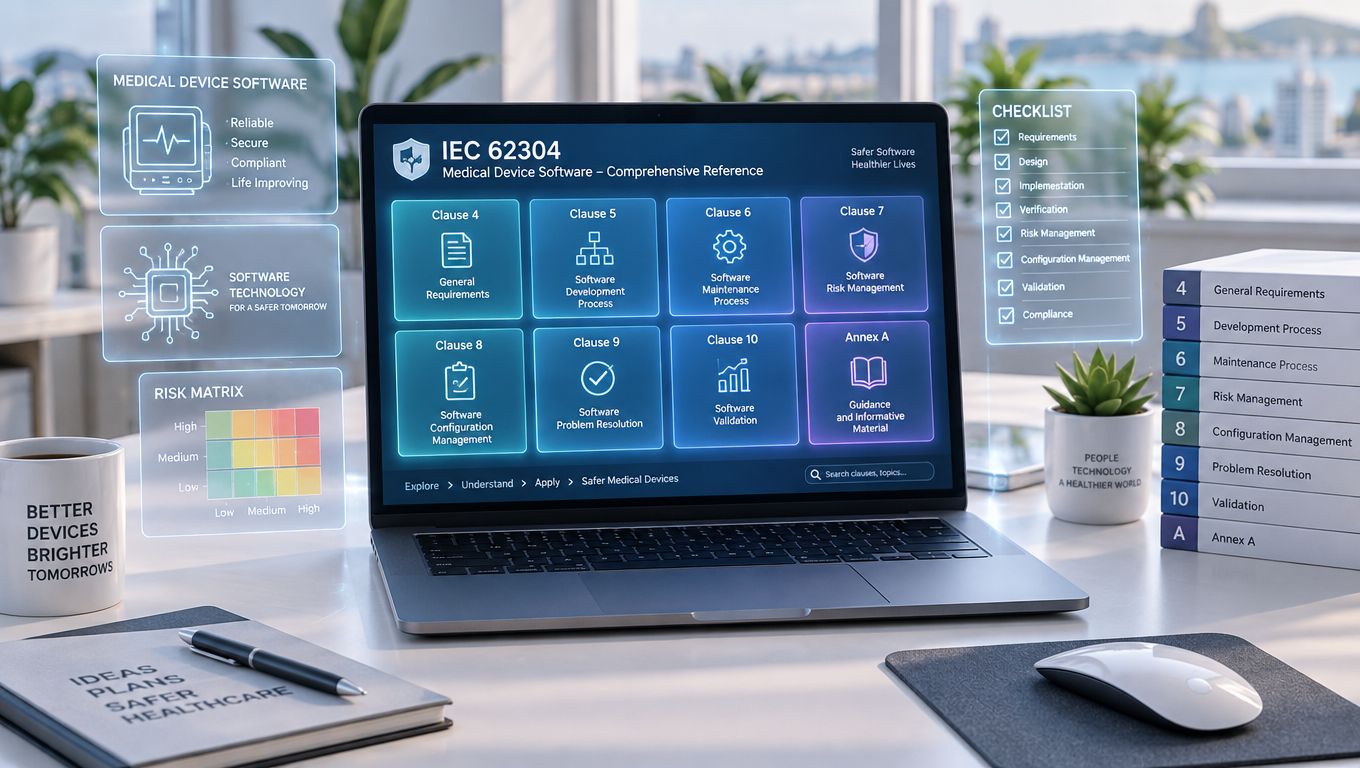
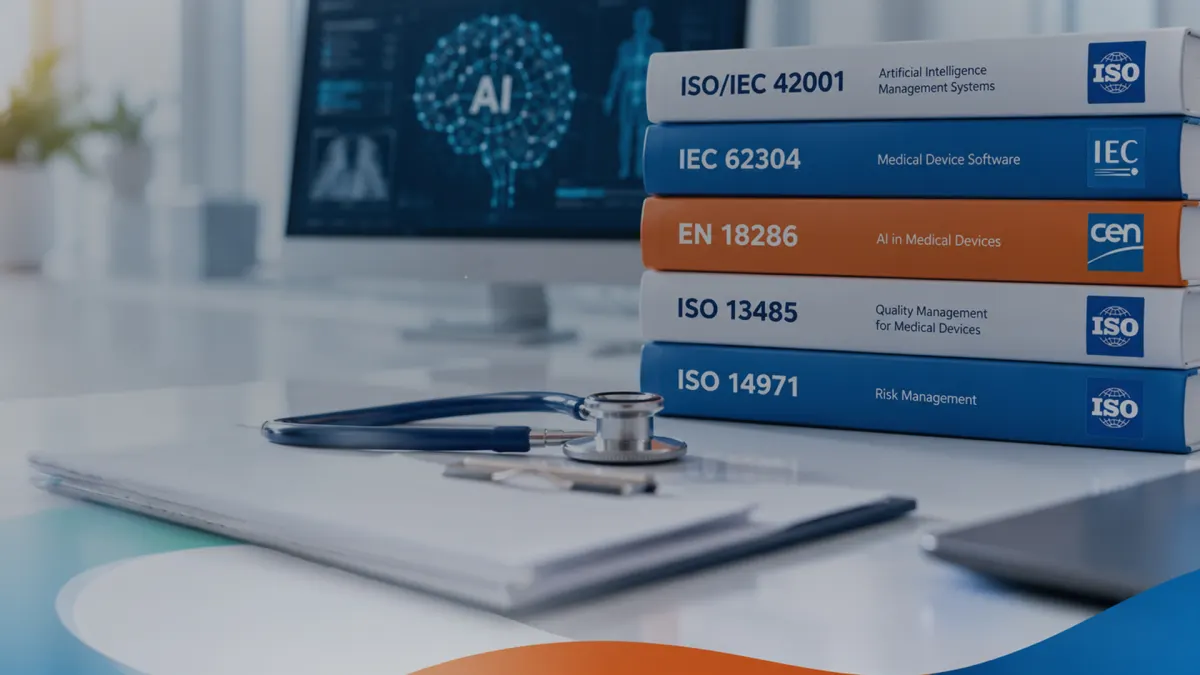
The applicable legislation may be supported by various standards and guidance documents, which set out further requirements applicable to the product.
Having a thorough understanding of all these aspects is important prior to the start of the development of a product, to ensure that by the end of the development process, all regulatory requirements have been met.