
Post-market Services
Post-Market Follow-Up
Support compliant post-market follow-up activities for medical devices and software through structured monitoring, documentation, and regulatory oversight processes.
Services
- Post-market follow-up planning
- PMS and PMPF process support
- PMCF and performance follow-up support
- Trend reporting and data analysis
- Vigilance and incident management support
- Post-market documentation reviews
- Feedback and complaint process alignment
- Ongoing regulatory compliance support
Our Specialty
What Do We Offer?
Post-market follow-up is a continuous regulatory requirement under MDR and IVDR. Manufacturers are expected to actively monitor device performance, review post-market information, assess risks, and maintain documentation throughout the product lifecycle.
MedQAIR supports organisations in establishing and maintaining post-market follow-up processes aligned with MDR, IVDR, FDA guidance, and related international frameworks. This includes PMS and PMPF planning, PMCF support, vigilance activities, trend analysis, and post-market documentation management.
Our approach focuses on practical implementation across quality, regulatory, and operational activities. Effective post-market follow-up supports ongoing compliance while helping organisations identify issues early, maintain product oversight, and support long-term device safety and performance.
PMS & PMPF Planning
Support with establishing post-market surveillance and post-market performance follow-up activities aligned with applicable regulatory requirements.
PMCF & Clinical Follow-Up
Support for post-market clinical follow-up planning, data collection, evaluation, and associated documentation activities.
Vigilance & Incident Management
Support with incident handling, vigilance processes, reporting workflows, and associated regulatory obligations.
Trend Analysis & Monitoring
Support for identifying trends, reviewing post-market information, and maintaining ongoing oversight of product performance and safety.
Documentation & Regulatory Alignment
Review and support for post-market reports, documentation updates, and alignment with technical and quality system requirements.
Ongoing Compliance Support
Support with maintaining post-market processes, audits, inspections, and evolving regulatory expectations throughout the device lifecycle.
Relevant Resources - EU
- MDR 2017/745 (EU Medical Device Regulation)
- IVDR 2017/746 (EU In Vitro Diagnostic Medical Device Regulation)
- MDCG 2022-21 – Guidance on Periodic Safety Update Reports (PSUR) under MDR
- MDCG 2024-10 – Guidance on PMCF Evaluation Reports
- MDCG 2020-7 – PMS Requirements for Legacy Devices
- EUDAMED – Vigilance and Post-Market Surveillance
- MDCG 2021-5 Rev. 1 Appendix
Relevant Resources - US
- FDA Postmarket Surveillance
- FDA Medical Device Reporting (MDR)
- FDA Corrections and Removals (Recalls)
- FDA Postmarket Management of Cybersecurity in Medical Devices
- FDA Total Product Lifecycle (TPLC) Advisory Program
Relevant Resources - Others
- ISO 13485 – Medical Devices Quality Management Systems
- ISO 14971 – Application of Risk Management to Medical Devices
- IMDRF Adverse Event Terminology for Medical Devices
- IMDRF Post-Market Surveillance Documents
- Health Canada – Problem Reporting for Medical Devices
- MHRA Vigilance Guidance
Blog Hub
Latest Insights & Updates
Explore our blog posts on MDR, IVDR, and EU AI Act medical device compliance to stay ahead of regulatory changes.
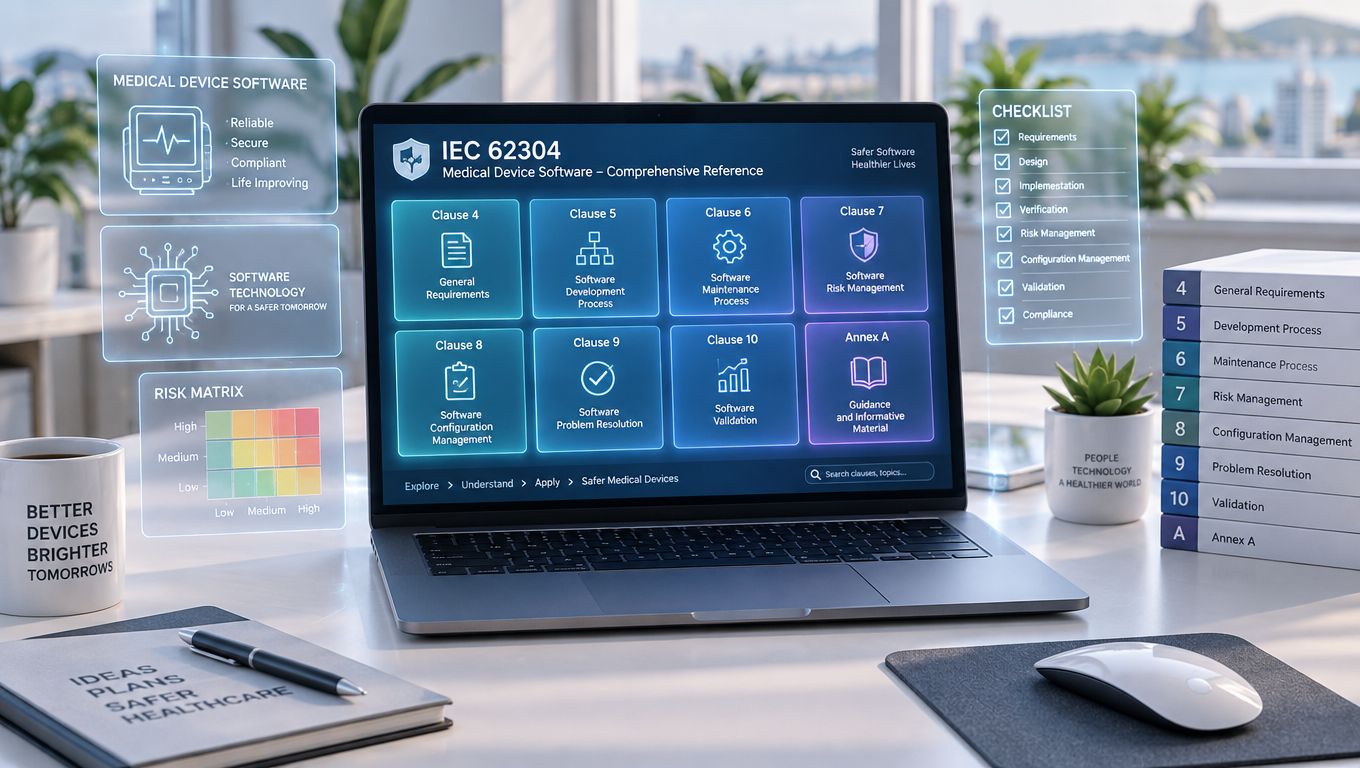
ISO 27001 Requirements: A Clause-by-Clause Reference
ISO/IEC 27001 has been the reference standard for information security management systems since 2005, and its third edition, ISO/IEC 27001:2022, was published on 25 October 2022 (ISO/IEC 27001:2022 and Amendment 1:2024). The transition from
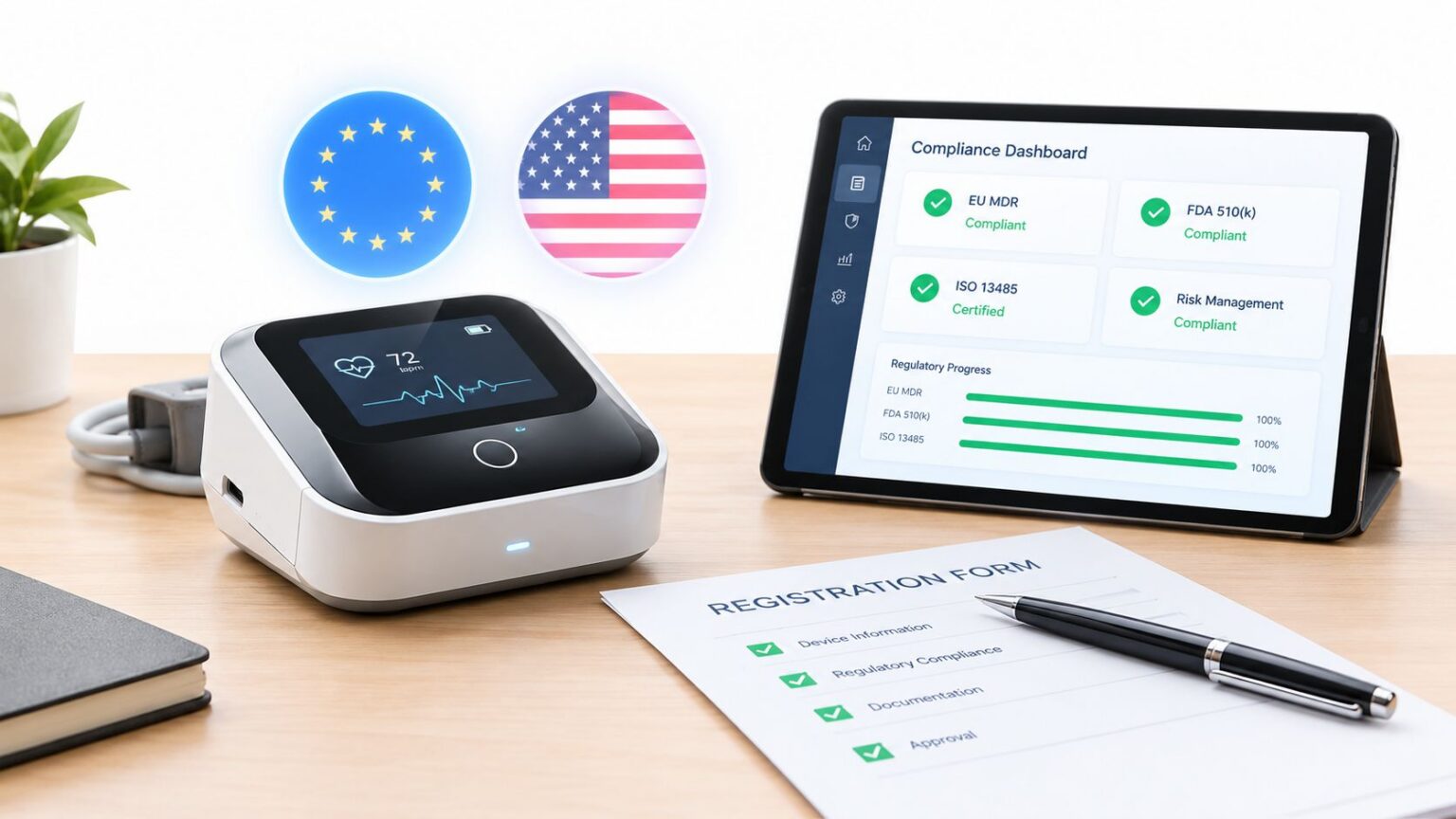
Registration of Medical Devices in the EU and US
Manufacturers have been able to register in EUDAMED, the European database on medical devices, since December 2020 for the Actor module and since October 2021 for UDI and device data, but only on a voluntary basis. That changed on 28
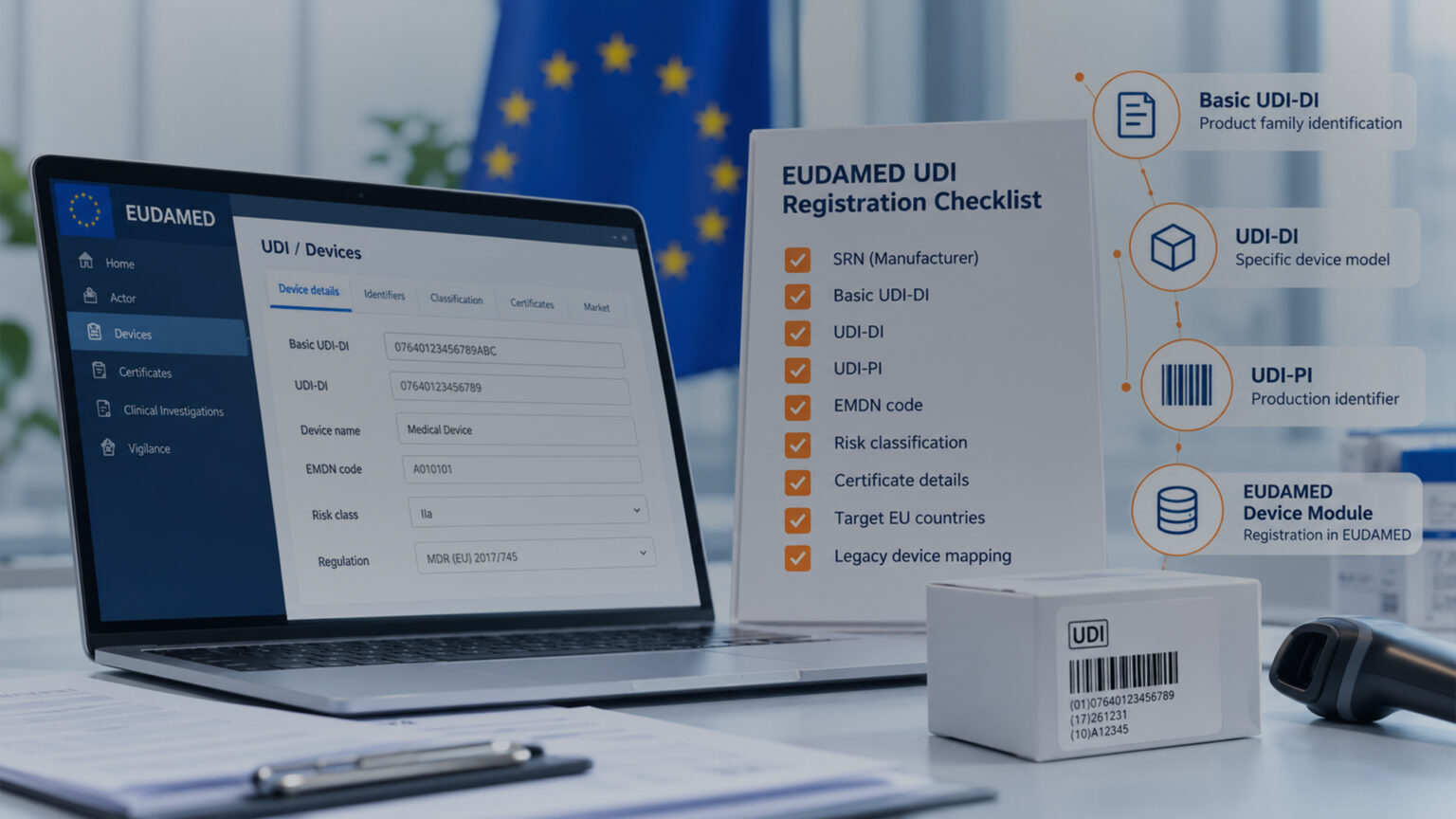
EUDAMED UDI Registration Checklist for Manufacturers
Using the EUDAMED UDI/Devices module became mandatory on 28 May 2026. This follows the Commission Decision (EU) 2025/2371, which formally declared the first four modules functional. Published in the Official Journal back on 27 November 2025, that decision kicked off

Meet the Team: Eva Kurilova-Sahin
We are pleased to welcome Eva Kurilova-Sahin to the MedQAIR team. Eva brings a background in medicine, clinical science, radiology, and oncology research, together with experience in AI-enabled medical technology. Over the past 10 years, her work has brought her

EU AI Act Requirements for AI-Enabled Medical Devices
The regulatory landscape for medical devices is becoming more complex as artificial intelligence becomes part of diagnosis, monitoring, treatment, and clinical decision support. For manufacturers, understanding the EU AI Act medical devices requirements is now essential alongside the existing Medical

Advancements in AI/ML Standards
Artificial intelligence is evolving faster than the regulatory frameworks around it. But that gap is beginning to close, with a growing body of AI medical device standards now moving towards publication and wider regulatory recognition.
Frequently Asked Questions
Find answers to common questions about our services, compliance processes, and how we can assist your business.
What is post-market follow-up for medical devices?
Post-market follow-up refers to the ongoing activities manufacturers perform after a device is placed on the market to monitor safety, performance, risks, complaints, and regulatory compliance throughout the product lifecycle.
What is the difference between PMS, PMPF, and PMCF?
PMS (Post-Market Surveillance) covers the broader monitoring of device performance and safety after market release. PMPF (Post-Market Performance Follow-Up) applies primarily to IVDs, while PMCF (Post-Market Clinical Follow-Up) relates to gathering ongoing clinical data for medical devices under MDR.
Why is post-market follow-up important for software and AI-enabled devices?
Software and AI-enabled systems continue evolving after release through updates, integrations, cybersecurity changes, and real-world use. Post-market follow-up helps manufacturers monitor performance, identify emerging risks, and maintain regulatory compliance over time.
Can MedQAIR support vigilance and incident reporting activities?
We already have a device on the market. Can you still help?
Post-market compliance is a significant part of our work. We support EUDAMED registration, post-market surveillance, vigilance reporting, audits, regulatory due diligence, and interim PRRC and DPO roles.
What information should be included in a Post-Market Surveillance (PMS) system?
A PMS system should define how post-market information is collected, analysed, reviewed, and acted upon throughout the product lifecycle. This may include complaints, incidents, trend data, customer feedback, corrective actions, literature reviews, and other information relevant to device safety and performance.
When is Post-Market Clinical Follow-Up (PMCF) required?
PMCF is required when ongoing clinical evidence is needed to confirm the safety, performance, and benefit-risk profile of a medical device after market placement. Under MDR, PMCF forms part of the broader post-market surveillance system and should be proportionate to the device’s risk class and clinical uncertainties.
What is trend reporting and why is it important?
Trend reporting involves monitoring post-market data to identify statistically significant increases in incidents, complaints, or undesirable events. Early identification of trends can help manufacturers investigate potential issues before they develop into broader safety or compliance concerns.
How do vigilance activities differ from post-market surveillance?
Post-market surveillance is the broader process of monitoring device performance and safety after release. Vigilance activities focus specifically on reportable incidents, serious incidents, field safety corrective actions, and communications with competent authorities regarding safety-related events.
How often should post-market documentation be reviewed and updated?
Review frequency depends on device classification, risk profile, regulatory requirements, and emerging post-market information. Manufacturers should establish documented procedures that ensure reports, risk assessments, trend analyses, and supporting records remain current throughout the product lifecycle.
How does post-market follow-up support risk management?
Post-market activities provide real-world information that can confirm or challenge assumptions made during development and clinical evaluation. This information should feed back into risk management processes to ensure hazards, benefits, and mitigation measures remain appropriately assessed.
Can post-market activities lead to regulatory submissions or design changes?
Yes. Post-market findings may result in updates to technical documentation, labelling, risk management files, clinical evidence, software updates, field safety corrective actions, or regulatory submissions when changes are necessary to maintain safety, performance, or compliance.